
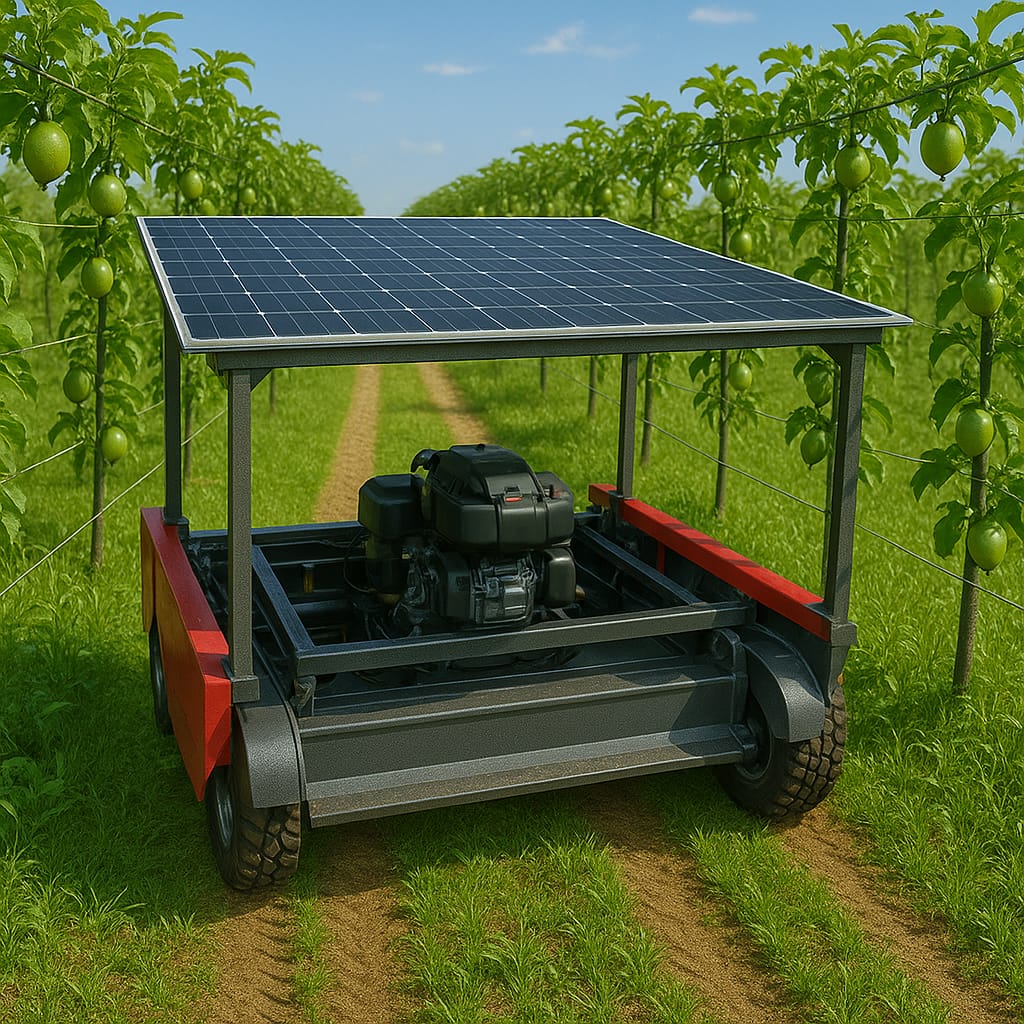
There is an important difference between automate a task e disregard a person. It is a distinction that is easy to lose in conversations about agricultural robotics, but should be at the center: the goal of removing someone from a dangerous or exhausting activity is not to take them out of work — it is to change what they do, for the better.
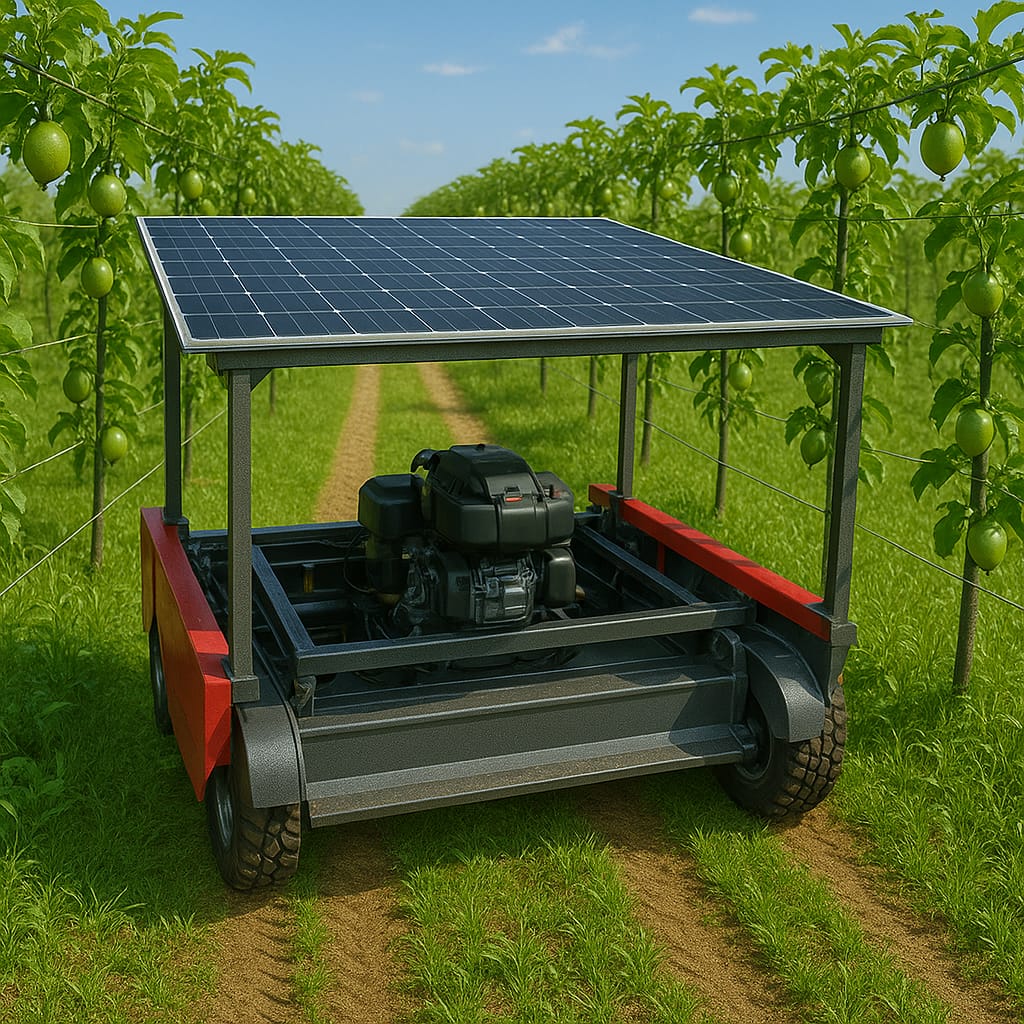
Which tasks concentrate the most wear
Manual mowing for long periods, spraying without proper protection, repetitive transport over uneven terrain under direct sun: these are physically exhausting tasks, associated with fatigue, exposure to chemicals, and risk of accidents. It is precisely this type of task — repetitive, physically exhausting, low value added per hour — that agricultural automation is most likely to take on, not the decision-making, management, and supervision work that only a qualified person can perform well.
Redirecting is not eliminating
When a repetitive task is supported by equipment, the person who used to do it manually can be redirected to supervisory roles, equipment maintenance, finer agronomic management, or other activities the property could not prioritize before due to lack of time. This requires from those who develop and sell agricultural technology honesty about what is being automated and explicit care to never present the product as a substitute for workers — this is the commitment that guides the Caatinga Rover from the design.
What regulation already recognizes
A NR-21 (outdoor work) and the NR-31 (occupational safety and health in agriculture) historically recognize that certain rural work conditions expose people to avoidable risk. We address this issue in more depth in Work in open air and NR-21 and NR-31 in practice.
Dignity is not a selling argument
It's easy to turn 'dignity of work' into a slogan. We prefer to treat it as a design criterion: any decision about which tasks the Caatinga Rover should take on first hinges on the question of which task is most burdensome or risky for the person who does it today — not just which is easiest to automate.
Learn more: Automation is not layoffs · Get to know Caatinga Rover