
A NR-31 — Regulatory Standard for Safety and Health at Work in Agriculture, Livestock, Silviculture, Forest Exploitation, and Aquaculture It is the main Brazilian regulatory reference for safety in rural work. Unlike NR-21, which deals specifically with work outdoors, NR-31 covers a broader spectrum: machines and implements, chemical products, personal protective equipment, training, and sanitary conditions in the field.
What the standard covers, in general terms
NR-31 establishes requirements related to safety in the use of agricultural machines and implements, handling of chemicals (including agrochemicals), personal protective equipment, training of workers, and working and housing conditions in rural activities. As with any regulatory norm, the exact application to each operation must be verified in the current official text and with the support of a qualified safety professional — this article describes the general purpose of the norm, not a compliance checklist.
Why this is relevant for those considering automation
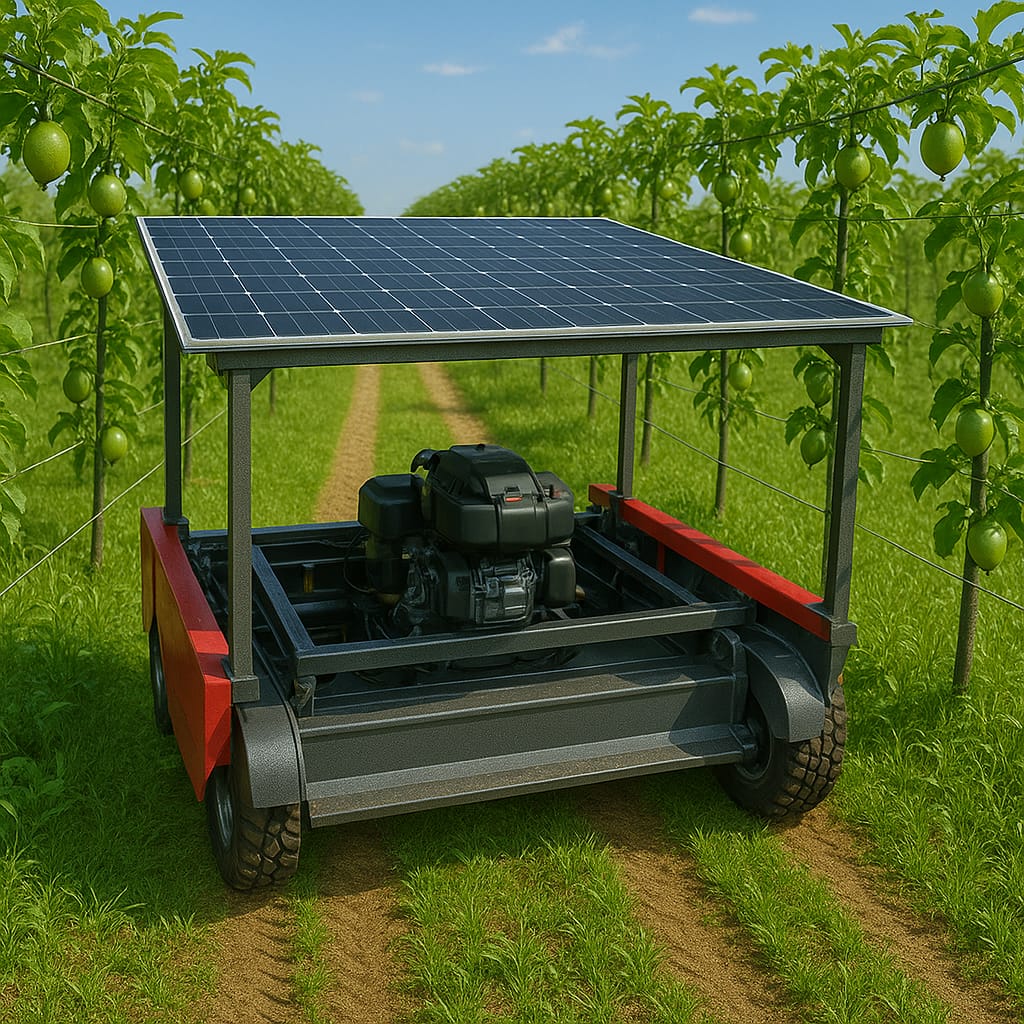
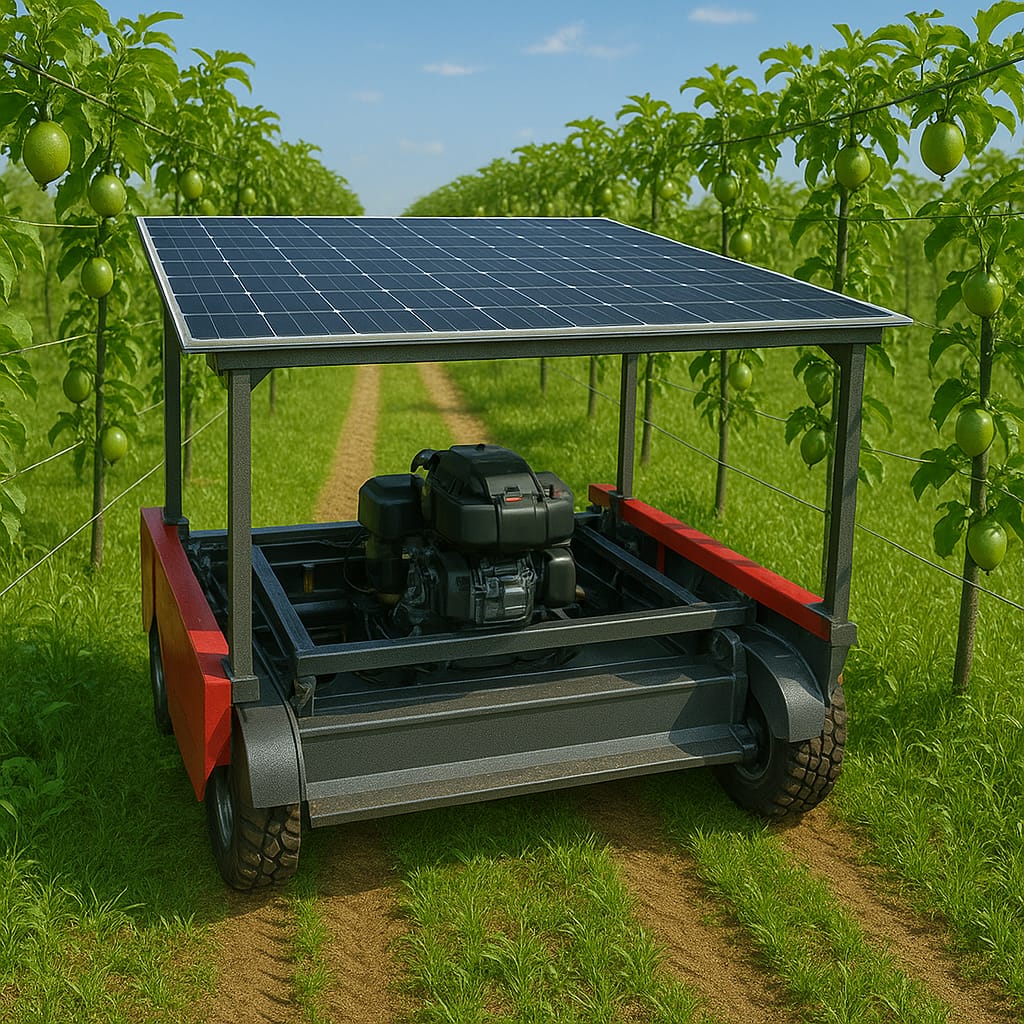
Any new equipment introduced into a rural operation — including an agricultural robot — must be evaluated within the same safety framework: emergency stop, guards against moving parts, safe maintenance procedures, training for operators and supervisors. This is reflected in the Caatinga Rover validation method, which treats machine safety as one of six test domains, detailed in the Validation and Safety page.
Where automation can reduce risk — with caution
Automating a repetitive task can reduce the worker's direct exposure to certain risks (handling a cutting implement, contact with chemicals during spraying), but it also introduces others that must be evaluated: safe interaction between person and machine, shutdown procedures, maintenance. There is no automation without risk—there is a different risk that requires its own assessment before any claim of 'safer.'
Related reading
For solar exposure and heat specifics, see Work in open air and NR-21. For international safety standard for highly automated agricultural machines, the ISO 18497 series is referenced in the validation method.
Learn more: Validation method · Get to know Caatinga Rover