
People working outdoors in the Brazilian field face a risk rarely shown in cost spreadsheets: prolonged exposure to sun and heat. A NR-21 — Open-Air Work Regulation, from the Ministry of Labor and Employment, exists precisely to treat this risk as what it is: an occupational health issue, not a rural work detail.
What NR-21 establishes, in general terms
The standard deals with protection for open-air activities, highlighting the need for shelter to protect workers from weather — sun, rain, cold — during breaks and meals, when there is no suitable shelter near the worksite. The full text, with all current requirements and updates, must be consulted directly in the official publication of the Ministry of Labor and Employment; this article describes the norma's purpose and does not replace reading the document or seeking guidance from a qualified occupational safety professional.
Why this matters beyond legal obligation
Prolonged sun exposure and excessive heat have a documented link to fatigue, dehydration, and reduced attention — factors that also raise the risk of accidents in tasks involving machines, cutting implements, or movement on irregular terrain. Complying with the standard is not just a formality: it is reducing a real risk for field workers.
Where automation enters — with the right limits
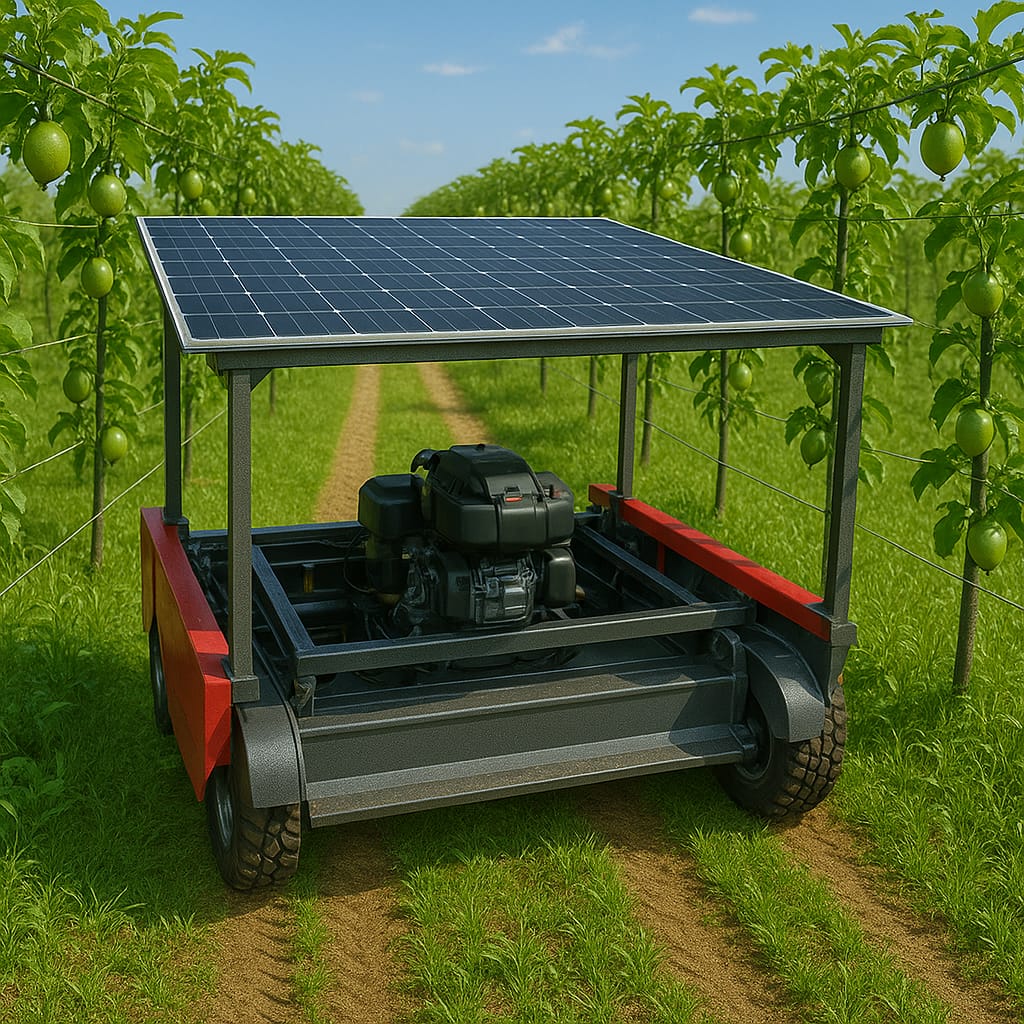
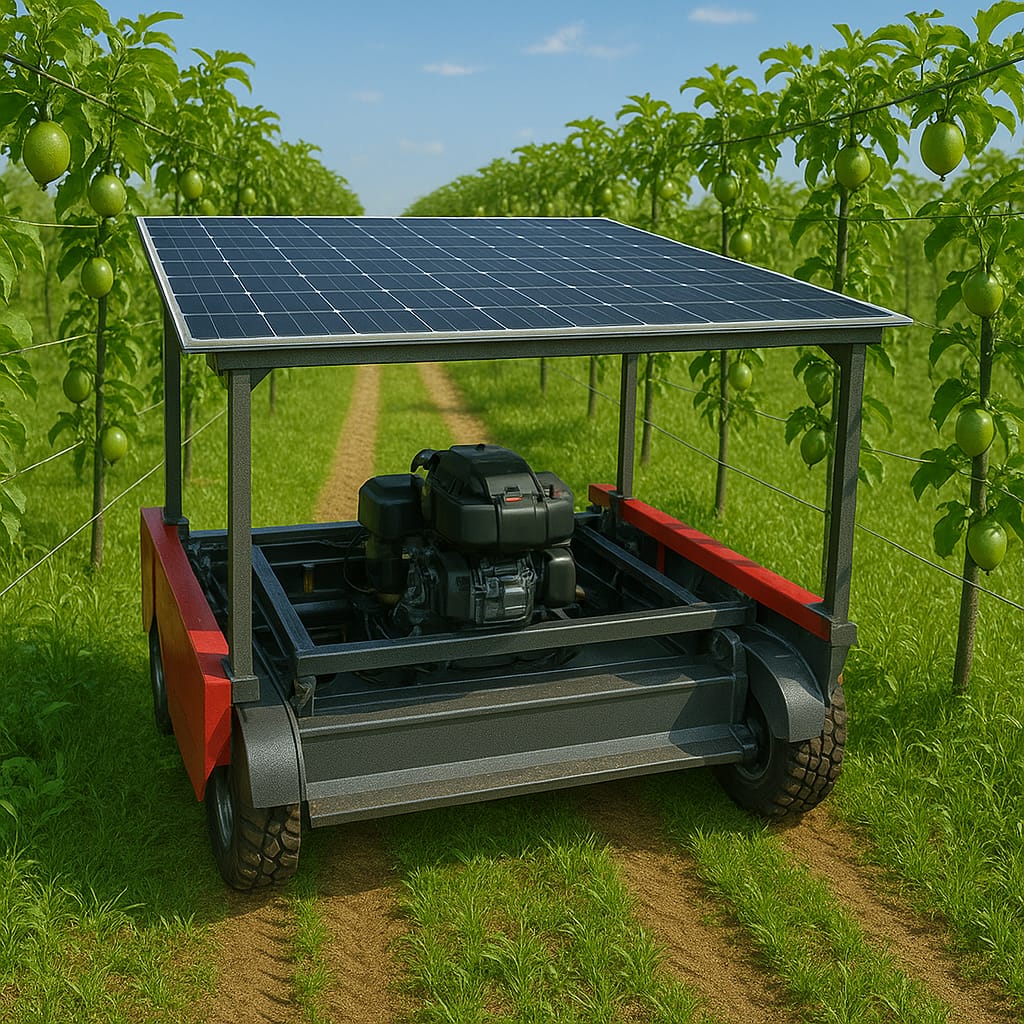
_assisted equipment, such as_ the Caatinga Rover, they do not replace compliance with NR-21 nor eliminate the need for shelter and breaks for those who operate or supervise the task. What automation can do is reduce the time of direct and continuous exposure to the sun in repetitive specific tasks — such as mowing and spraying — leaving human supervision in a less exposed position. This is a project hypothesis, not a measured result: the Caatinga Rover is in TRL 5 and this kind of benefit is part of what will still be evaluated in the field, as described in the Validation and Safety page.
A problem that cannot be solved by equipment alone
Reducing sun exposure depends on shift organization, actual availability of shelter, safety culture, and, yes, tools that help reduce repetitive tasks in the sun. None of these fronts substitutes the others. Those who want to deepen the topic of rural work safety more broadly can also check NR-31 in practice, addressing safety and health in agricultural work in general.
Learn more: Get to know Caatinga Rover · Validation method