
Automation in agriculture is often framed as a distant promise. In practice, the first gains come from repetitive work: monitoring, spraying, navigation, transport, and other routines that consume time and energy. That is the space where the Caatinga Rover is being developed.
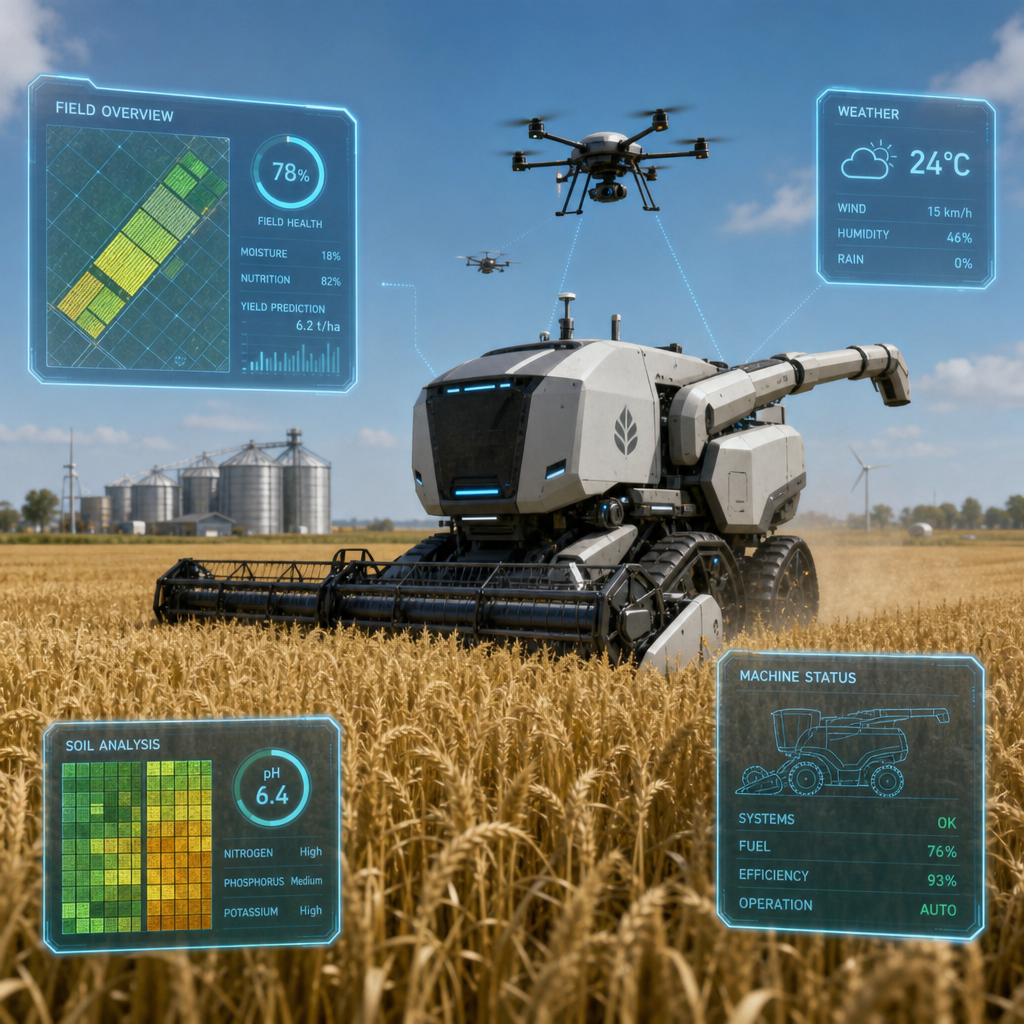
Traditional farming vs. smart agriculture techniques
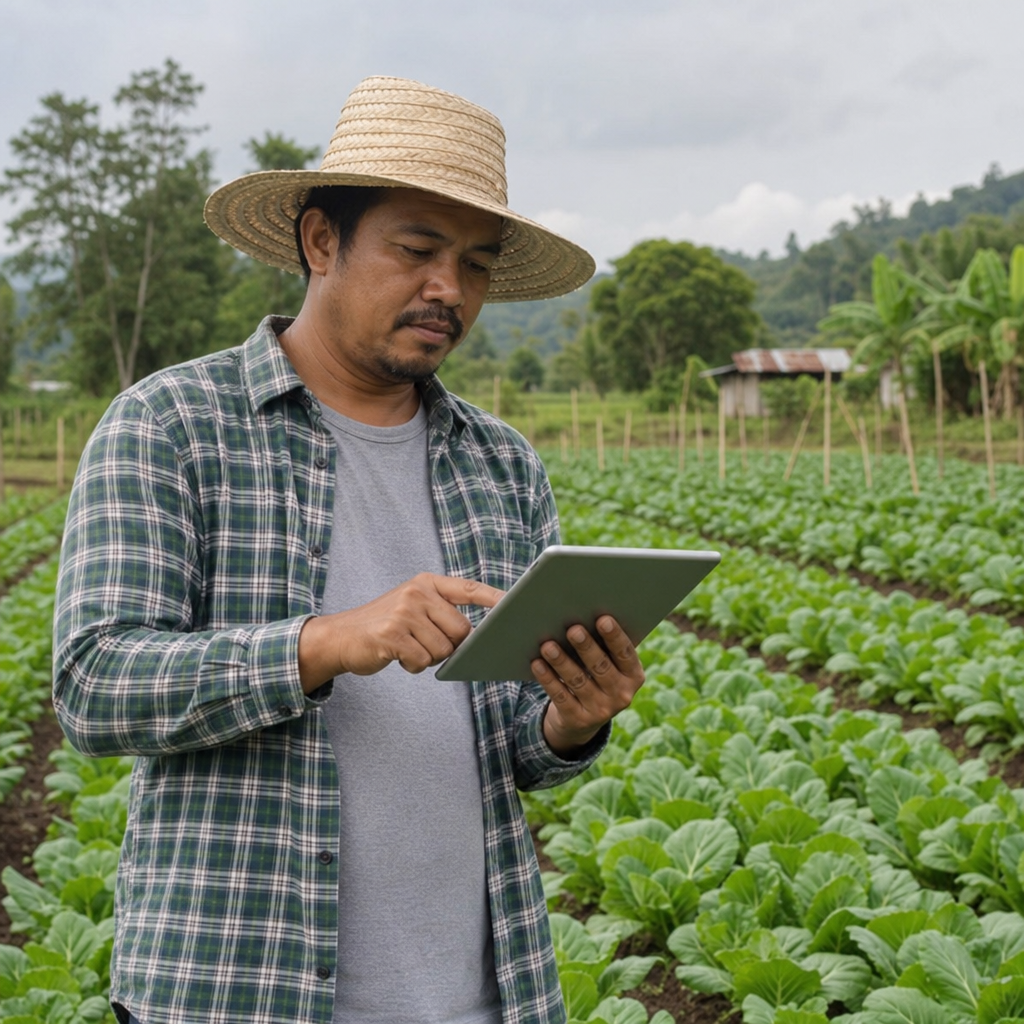
Traditional routines still dominate many properties, especially where operations are small, dispersed, or dependent on manual labor. Smart agriculture does not erase that reality. It adds sensors, navigation, and data to reduce repetitive effort and make each task more predictable. For Caatinga Rover, the question is not “how do we automate everything?”, but “which repetitive task can be made safer and more consistent first?”
Labor pressure and space constraints
Automation becomes more attractive when labor is scarce or when space is limited. Crop systems such as trellises, espaliers, orchards, and family-farm plots need compact movement and carefully selected implements. That is why modularity matters.
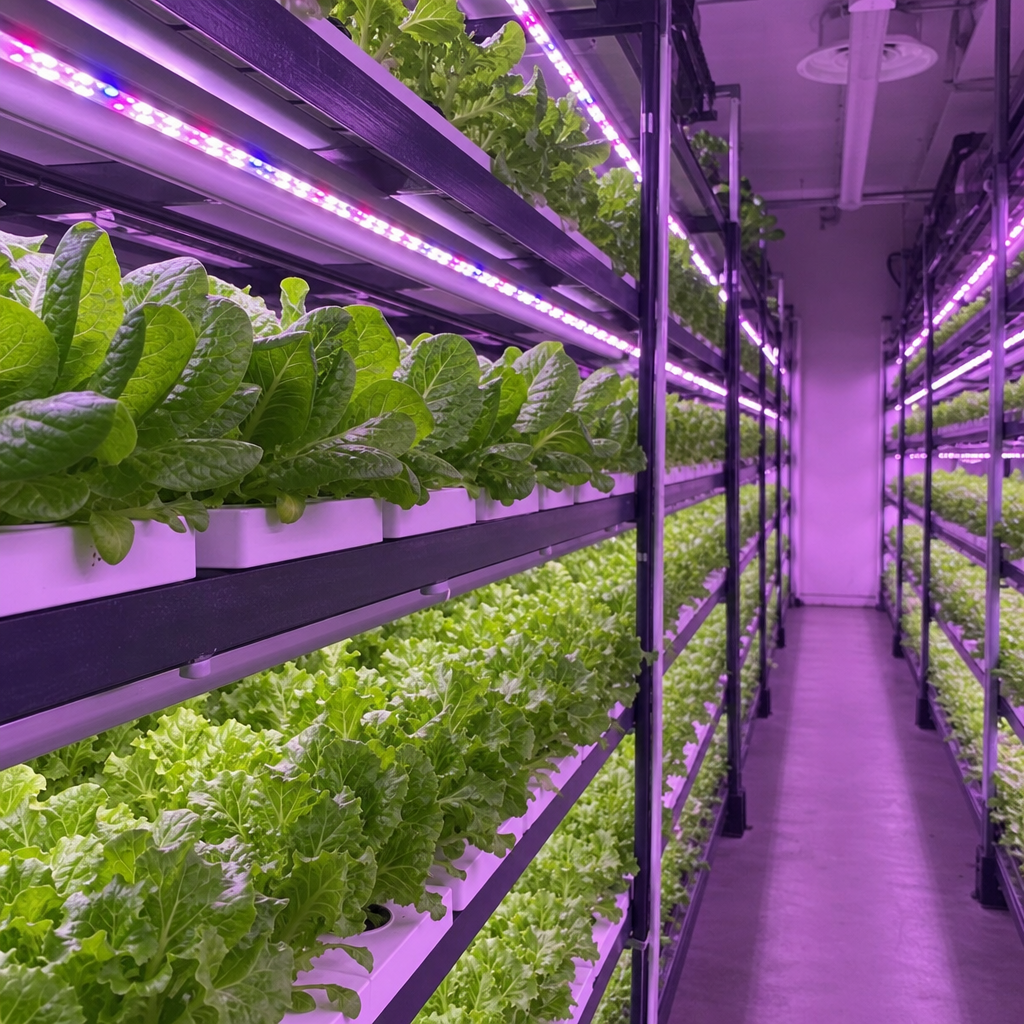
Autonomous machinery and robotics in the field
Autonomous machinery is already changing what a field operation looks like. For Caatinga Rover, the field-robotics path starts with assisted navigation, route recording, and implement trials before any claim of full autonomy. That progression keeps validation honest and useful.
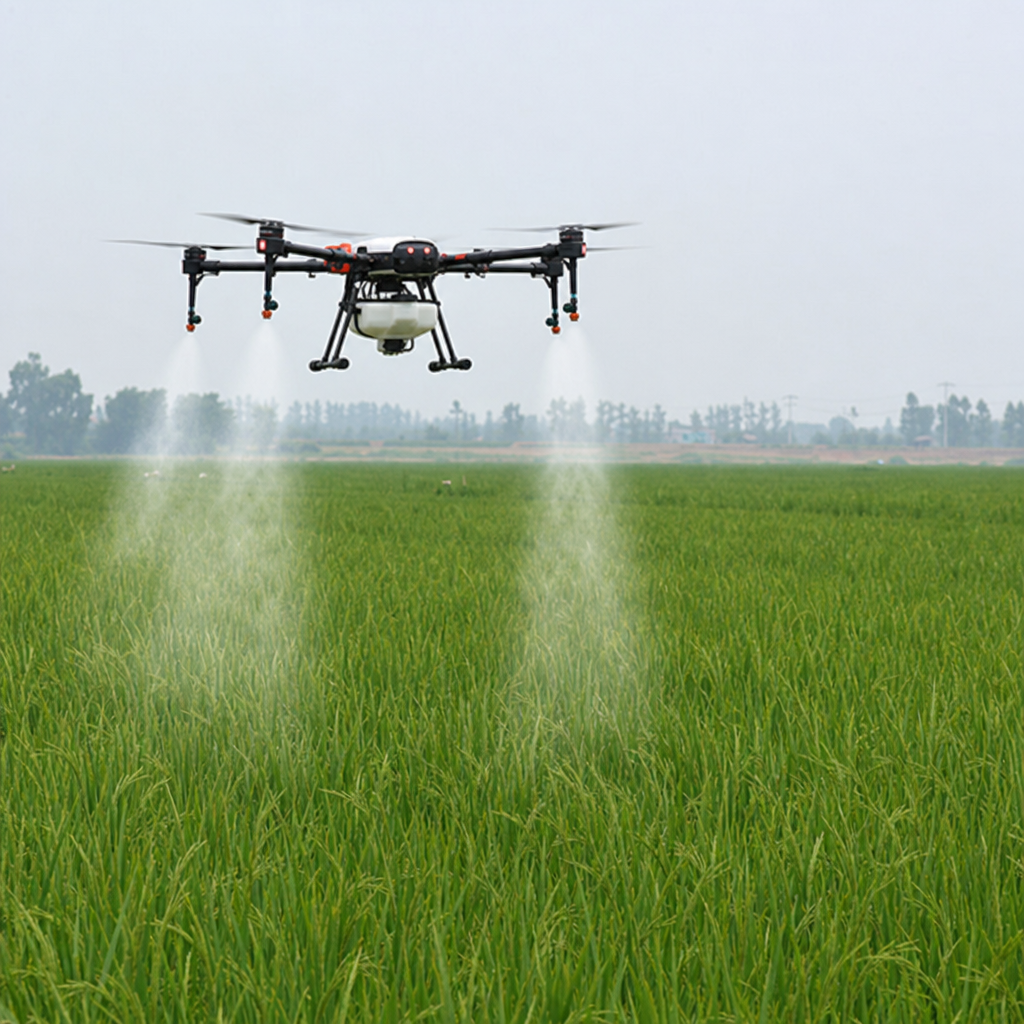
IoT, connectivity, and data at the edge
Connected devices can reveal what a task really costs in time, energy, and attention. By combining sensors, route records, and field observations, teams can decide whether an implement should change, whether a route should be repeated, or whether a different approach is needed.
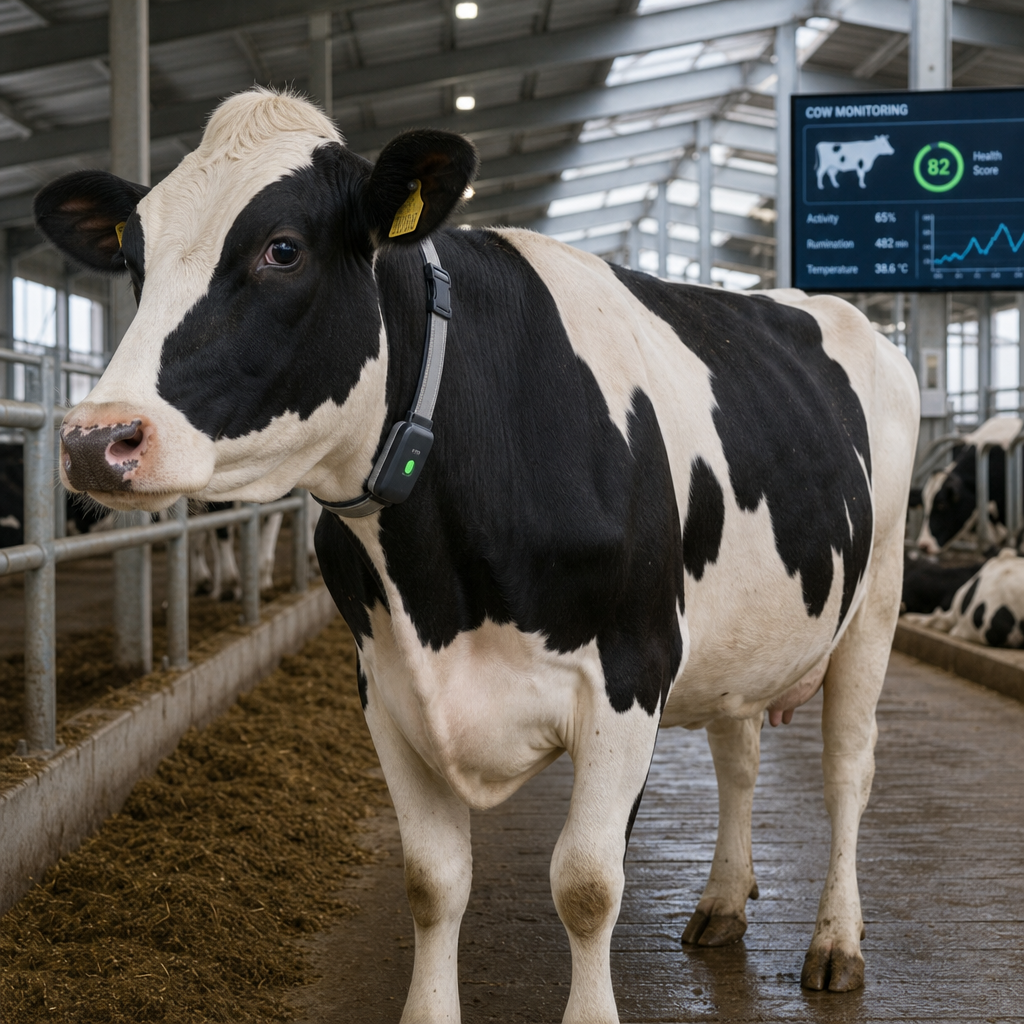
Beyond crops: what the same logic can support
The same logic extends beyond crops. Animal monitoring, inspection, and routine data collection also benefit from consistent records and simple interfaces.
Where Caatinga Rover fits
Caatinga Rover is being developed as a modular agricultural robot for family farming. The platform combines a 4×4 electric base, solar support, assisted navigation, and interchangeable implements. If you want to understand where the project is heading, these pages are the best place to start:
Read more about the engineering side behind the platform and see how the concept evolves from a prototype into a validated field solution.